
Grade 2 Listed Building Renovation: Your Essential Guide
Updated: Oct 10
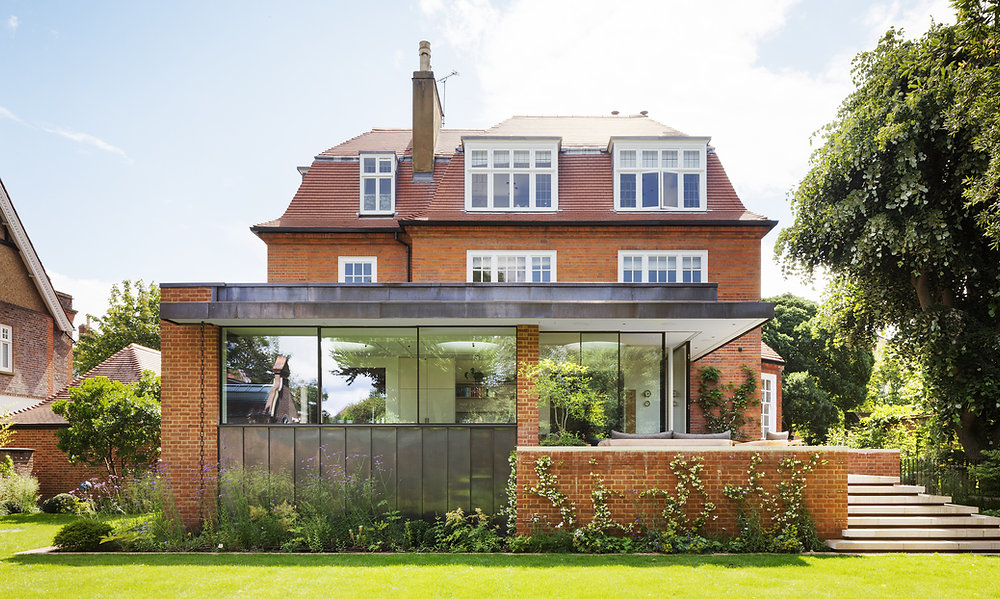
A grade 2 listed building renovation isn't just a building project. It's a delicate dance between bringing a home into the 21st century and acting as a custodian for a piece of history. You're balancing modern living with the responsibility of preserving a unique architectural character for the next generation.
What a Grade II Listing Really Means for Your Home
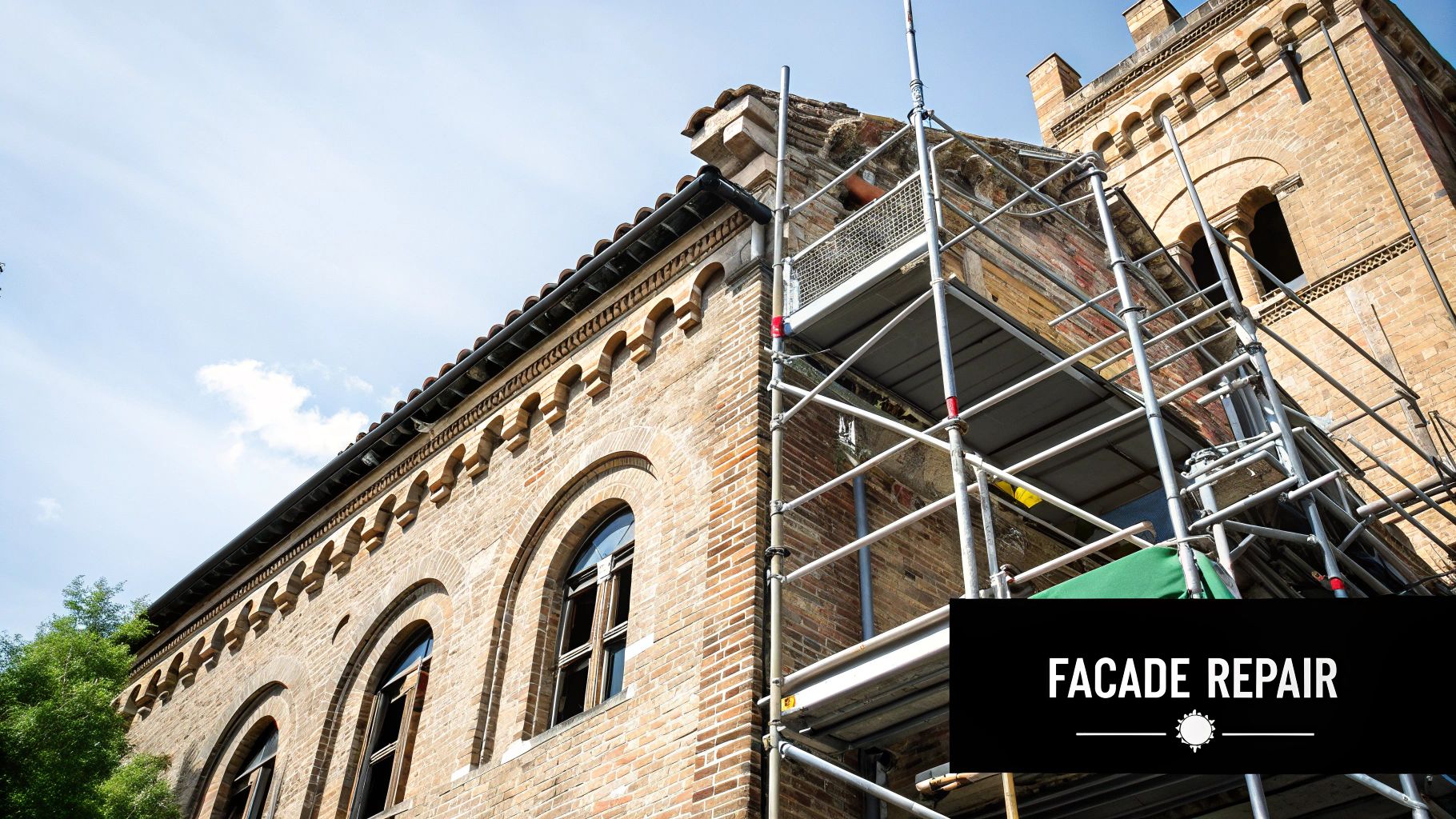
Owning a Grade II listed property means you’re more than just a homeowner; you’re the current guardian of a small piece of British heritage. This special status is there to protect buildings with significant architectural or historical interest, making sure their unique character isn't lost to time.
If that sounds daunting, don't worry. This is a far more common journey than you might think. Grade II listed buildings make up the vast majority of all protected properties in the UK—around 92%, to be precise. This means most are private homes, not grand cathedrals or stately manors.
Because so many people live in and love these properties, there's a well-trodden path for renovation, supported by a wealth of professional expertise. You can find plenty of detailed guides available online that break down what's involved.
Understanding the Grades of Protection
While all listed buildings are legally protected, the "grade" tells you about their relative importance. This hierarchy is a good indicator of how much scrutiny your renovation plans will face.
Here’s a quick look at how the grades stack up in England and Wales. It helps to see where your Grade II home sits in the grand scheme of things.
Understanding Listed Building Grades at a Glance
Grade | Significance | Approximate Percentage of Listed Buildings |
|---|---|---|
Grade I | Buildings of exceptional national importance, like castles, cathedrals, and key historical landmarks. | ~2.5% |
Grade II* | Particularly important buildings that have more than just 'special interest'. Often have unique features. | ~5.8% |
Grade II | Buildings of special interest that warrant every effort to preserve them. The most common designation. | ~91.7% |
As you can see, a Grade II listing, while still rigorously protected, generally offers more flexibility for sensitive and well-considered alterations compared to the higher grades. It’s all about finding that sweet spot.
The core challenge—and opportunity—of a Grade II listed building renovation is to honour the property's historic fabric while thoughtfully adapting it for modern life. It’s a conversation between the past and the present.
The Scope of Protection
It’s a common myth that a listing only protects the pretty front of a house. The reality is far more comprehensive. The protection covers the entire structure, inside and out.
This includes:
The main building and any later additions or extensions.
Internal features like original fireplaces, staircases, cornicing, or plasterwork.
Anything fixed to the building, from historic railings to old signage.
Any separate buildings or structures within the 'curtilage' (the historic boundary) of the property. Think old barns, garden walls, or even gateposts.
This all-encompassing protection is precisely why getting the right permissions before you touch anything is not just a good idea—it’s a legal requirement.
Navigating the Listed Building Consent Process
Before a single hammer swings or a paintbrush is lifted on your grade II listed building renovation, you must navigate the legal heart of the project: Listed Building Consent (LBC). This isn't your standard planning permission. It's a specific, formal approval required for any alteration, extension, or demolition that could impact the building's special character.
Think of LBC less as a frustrating hurdle and more as a structured conversation about your home's unique story. It’s a legal safeguard for the building's historical and architectural fabric, applying to everything from changing windows to knocking down an internal wall.
Getting this wrong is serious. Failing to secure consent is a criminal offence, potentially leading to an enforcement notice demanding you reverse all the work at your own expense. In more severe cases, it can result in unlimited fines or even a prison sentence.
The Role of the Conservation Officer
Your guide and main point of contact through this process will be your local council’s Conservation Officer. This is a specialist in historic buildings whose job is to assess applications and advise on what is appropriate for a listed property.
It's absolutely crucial to see the Conservation Officer as an ally, not an adversary. They have a deep well of knowledge and can offer invaluable advice that helps you avoid costly missteps and shape a proposal that’s likely to get the green light. Building a positive, collaborative relationship with them from day one is one of the smartest moves you can make.
Starting with Pre-Application Advice
Before you spend a small fortune on detailed architectural drawings, I always recommend seeking pre-application advice. This is essentially a chat—either formal or informal—with your Conservation Officer to discuss your initial ideas.
This is your chance to float your vision and get early feedback on what might or might not fly. Taking this proactive step helps you:
Spot potential problems early before they grow into major roadblocks.
Understand the local council's specific policies and expectations for listed buildings in your patch.
Tweak your plans based on expert conservation advice, saving you from expensive redesigns down the line.
This initial consultation sets a cooperative tone and shows you’re serious about doing things the right way.
The image below lays out the key stages of a renovation project, showing exactly where securing consent fits into the bigger picture.
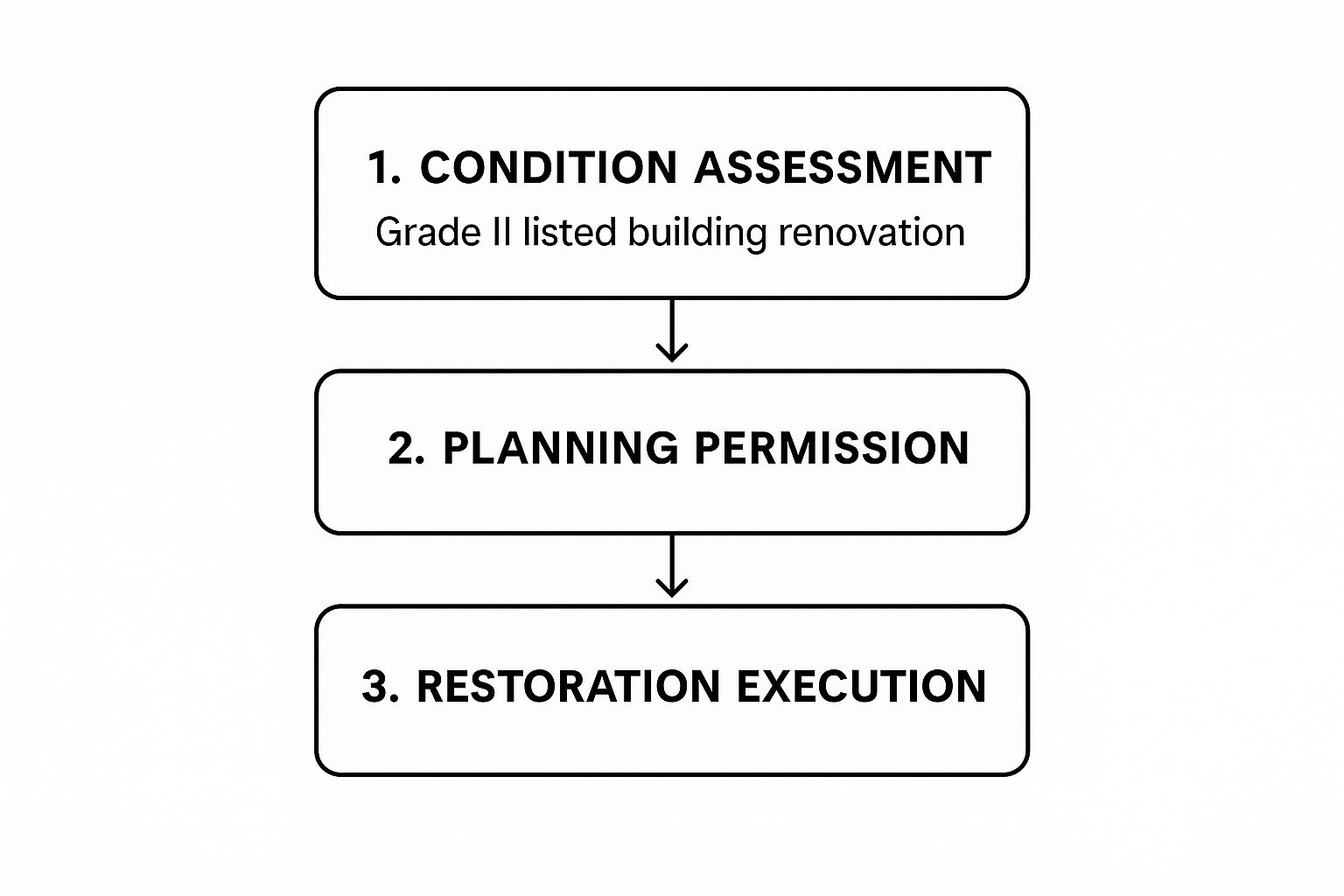
As you can see, getting the necessary permissions isn't just a box to tick; it's a critical early step that has to happen before any physical work begins.
Submitting a Strong Application
Once you've refined your plans, it's time to submit your formal application for Listed Building Consent. This is so much more than a set of drawings. It’s a carefully constructed argument for why your proposed changes are not only necessary but also sympathetic to the building's heritage.
A strong application provides a clear, evidence-based justification for every proposed alteration, demonstrating a deep understanding of the building's significance and a commitment to preserving its character.
Your submission needs to be detailed and persuasive. It will typically include:
A Heritage Statement: This document unpacks the history and significance of the building and analyses the impact of your proposed works on its special character.
Detailed Plans and Drawings: These must clearly illustrate the building as it stands now and what it will look like after your proposed changes.
A Design and Access Statement: This explains the thinking behind your design and justifies the changes you're hoping to make.
Material Specifications: You'll need to detail the exact materials you plan to use, explaining why they are appropriate for a historic building.
The consent process can feel a bit daunting, but it follows a well-trodden path. To get a better handle on the administrative side of things, which shares many similarities with LBC, you can explore the **UK planning application stages in our simple guide**. This will help ensure you're fully prepared for this crucial phase of your grade II listed building renovation.
Balancing Modern Living with Historic Preservation
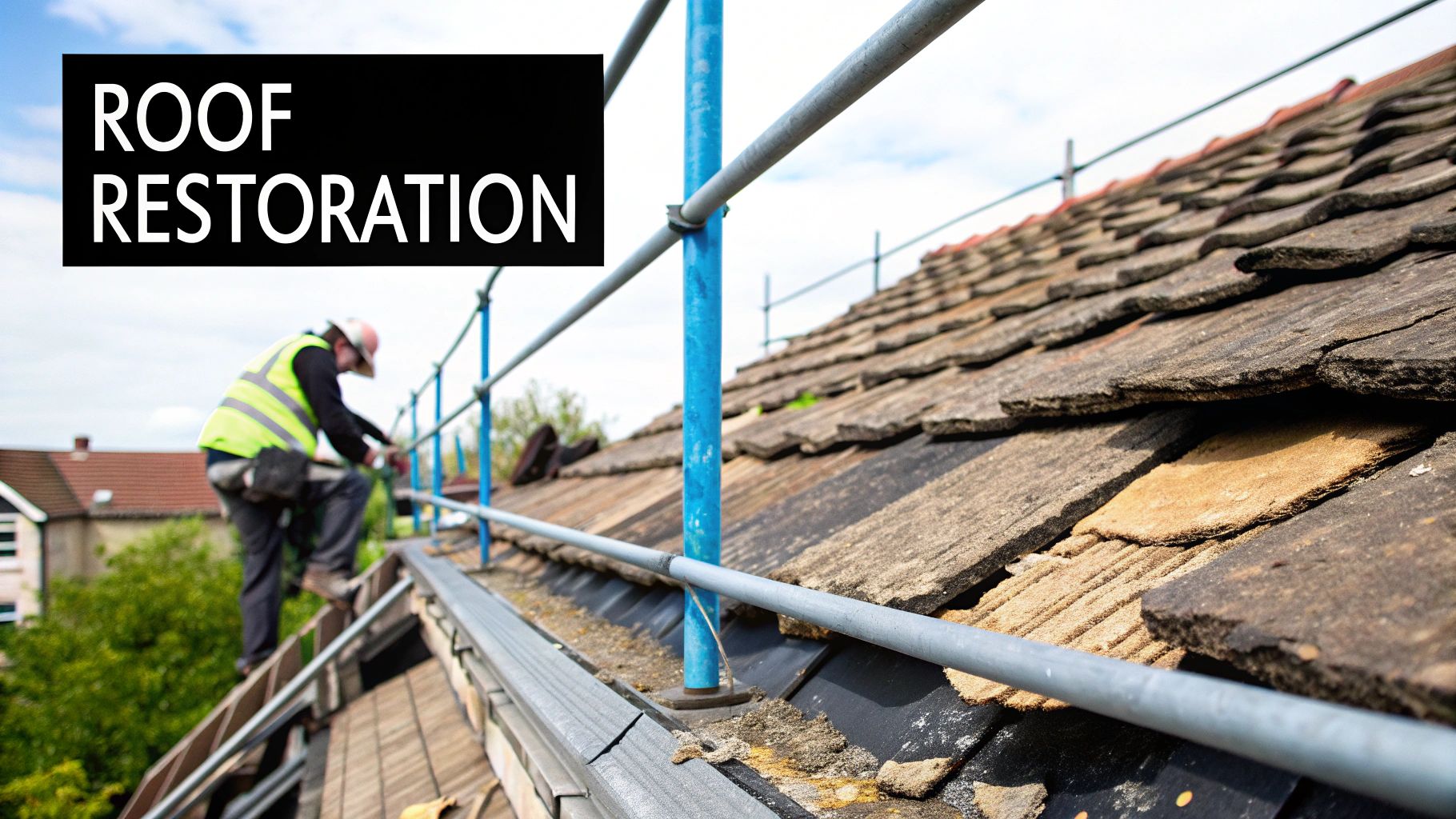
The real art of a Grade II listed building renovation lies in a delicate balancing act: how do you introduce modern comforts without sacrificing the building's historic soul? It’s the central question every owner faces. You want a bright, functional kitchen or a sleek, modern bathroom, but not at the cost of the very character that made you fall in love with the property.
This challenge comes into sharp focus with common projects like updating kitchens and bathrooms, dealing with original windows, or improving energy efficiency. Each of these requires a gentle touch, blending today's needs with timeless conservation principles. It's about making the home work for you now, while respecting its long and storied past.
The 'Like-for-Like' Repair Philosophy
If you're going to get familiar with one phrase on this journey, make it 'like-for-like'. This isn't just a friendly suggestion from the conservation officer; it's the golden rule for any repairs or replacements in a listed building. In simple terms, it means using materials and methods that are as close as possible to the original.
Think of an old Georgian sash window. A like-for-like repair means bringing in the same type of timber, using single glazing, and finishing with traditional putty. It absolutely does not mean swapping it for a modern uPVC casement. The whole point is to ensure any new work melts invisibly into the old, preserving the building’s authentic feel.
This philosophy goes far beyond windows. It applies to swapping a cracked roof slate with another from the same quarry, or repointing brickwork with soft lime mortar instead of hard, unforgiving cement. The mantra is always to repair, not replace—and when you must replace, do it with integrity.
This approach is the bedrock of preservation. UK regulations for Grade II listed buildings cover everything, inside and out, with a huge emphasis on using like-for-like materials to maintain that historical authenticity. This means even seemingly straightforward jobs like moving a wall or fitting a new kitchen come under close scrutiny. If you want to dive deeper into the specifics, there’s some excellent guidance on what's possible in a Grade II building on propertyconservationco.co.uk.
Sensitively Updating Kitchens and Bathrooms
Kitchens and bathrooms are where our modern lives are most visible, so they’re naturally a big focus for renovations. The good news? Planners and conservation officers usually understand that you need functional, contemporary facilities. Their main concern is that the changes don't cause irreversible damage to the historic fabric of the building.
A brilliant strategy here is to think of it as building a "box within a box." This involves fitting modern, freestanding units or even building new stud walls for a bathroom that could, in theory, be taken out in the future without a trace. It’s all about reversible interventions.
Here are a few ways to get it right:
Protect Original Features: Does the room have beautiful old flagstone floors or ornate cornicing? Your new design should celebrate them, not hide them. New wiring and plumbing need to be routed with care to be as discreet as possible.
Make Changes Reversible: Whatever you do, don't chase pipes into historic plaster walls. A much smarter approach is to use clever joinery or create false walls to hide the services.
Pick Your Battles: Conservation officers are often far more open to significant changes in parts of the house that have already been altered over the decades, like a poorly built 1970s extension.
Improving Energy Efficiency Thoughtfully
Trying to make a centuries-old home energy efficient is a unique challenge. The go-to solution for a standard house—uPVC double glazing—is a definite non-starter for listed properties. It would fundamentally and permanently damage their character.
Instead, a successful Grade II listed building renovation focuses on sympathetic alternatives that work with the building, not against it.
Effective Energy-Saving Measures for Listed Buildings:
Window Restoration and Draught-Proofing: Before you do anything else, get your original timber windows professionally overhauled. Simply adding discreet draught-proofing can make an enormous difference to heat loss.
Secondary Glazing: This is the conservation officer’s preferred solution. Installing a slimline secondary glazing system on the inside face of the windows is incredibly effective for both thermal and acoustic insulation, and it leaves the building's external appearance completely untouched.
Natural Insulation: Forget modern rigid foam boards. Listed buildings need to breathe. Use natural, breathable insulation like sheep's wool or cork in loft spaces and under suspended floors. This prevents moisture from getting trapped, which can lead to rot and damp.
Chimney Balloons: It’s a simple one, but it works. An inflatable chimney balloon is a cheap, completely reversible way to stop precious heat from vanishing up unused fireplaces.
By embracing these sensitive approaches, you can create a home that’s both comfortable for modern life and a faithful custodian of its unique heritage. It’s all about making smart additions and careful repairs that honour the past while looking to the future.
Assembling Your Specialist Renovation Team
Taking on a Grade II listed building renovation is a team sport, not a solo mission. Trying to navigate the world of heritage conservation on your own is like setting sail without a map—you’ll likely end up in costly, stressful territory. Think of yourself as the project manager, and your first job is to recruit an all-star team of specialists who speak the unique language of old buildings.
This isn’t a job for your average builder or an architect who just dabbles in period properties. You need professionals who live and breathe historic conservation. A great team is your single best investment; they’ll make sure the project runs smoothly, stays on the right side of the law, and protects the character and value of your home for the long haul.
Your Core Professional Team
While no two projects are the same, a few key players are almost always non-negotiable. These are the people who will form the strategic core of your renovation, guiding it from a scribble on a notepad right through to the final sign-off.
Conservation Architect: This is your most important hire. A conservation-accredited architect does far more than just draw up plans. They are your chief strategist, your translator, and your advocate. They understand the subtle dance of Listed Building Consent, know how to negotiate effectively with Conservation Officers, and can brilliantly merge modern living with the tight constraints of a historic structure.
Structural Engineer (with Heritage Experience): Old buildings have their own quirks. They settle, breathe, and behave in ways that modern structures simply don’t. An engineer with genuine experience in historic properties is vital for assessing everything from ancient timber frames to original foundations, ensuring any changes are sensitive to the building’s original fabric.
Quantity Surveyor: For larger, more complex projects, a quantity surveyor can be a lifesaver. They are the masters of the budget, providing detailed cost estimates and keeping a tight rein on spending. Given the unpredictable nature of a grade 2 listed building renovation, their financial oversight is invaluable.
Finding the right architect is usually the best place to start, as they can help you assemble the rest of your expert team. For a deeper dive on this, our post on how to choose an architect in the UK has some practical pointers.
A well-chosen team isn't just a list of contractors; it's a collaborative partnership. To help you understand who does what, here’s a quick overview of the essential roles you might need on your project.
Your Essential Grade II Renovation Project Team
Specialist Role | Key Responsibilities | When to Involve Them |
|---|---|---|
Conservation Architect | Leads the design, navigates planning and Listed Building Consent, coordinates the team, and acts as your main advisor. | From the very beginning, before any designs are considered. |
Structural Engineer | Assesses the building's structural integrity, designs sensitive repairs or alterations, and provides calculations for Building Control. | Early in the design phase, once initial concepts are developed. |
Quantity Surveyor | Manages the project budget, provides cost estimates, tenders contracts, and oversees project finances. | For larger projects, involve them during the initial design stage to establish a realistic budget. |
Heritage Consultant | Provides specialist advice on historical significance and conservation policy, often preparing key heritage statements. | For complex or highly sensitive sites, involve them at the pre-application stage. |
Specialist Craftspeople | Executes the physical work using traditional materials and techniques (e.g., lime plastering, joinery, stonemasonry). | Once the design is approved and you are ready to start on site. |
This table gives you a starting point, but your architect will be your best guide in identifying exactly which specialists your unique project demands.
The Indispensable Craftspeople
Beyond the planners and engineers, you need the artisans—the skilled craftspeople who can work with traditional materials and methods. These are the people whose hands-on expertise will bring the project to life with the care and authenticity it deserves. Your high-street builder simply won't have this deep, specialised knowledge.
The real soul of a heritage project often lies in the hands of its craftspeople. Their ability to work with lime mortar, reclaimed timber, and handmade bricks is what separates a sensitive, authentic restoration from a clumsy, modern bodge job.
When you’re looking for tradespeople, always ask to see a portfolio of their work on other listed buildings. Here are a few key specialists to look out for:
Stonemasons: Absolutely essential for repairing or repointing historic stonework with the correct, breathable mortars.
Specialist Joiners: You'll need them for repairing original sash windows and doors or creating exact replicas that satisfy conservation requirements.
Lime Plasterers: Modern gypsum plaster is a disaster for old buildings as it traps damp. A specialist who works with breathable lime plaster is a must-have.
Traditional Roofers: Whether your roof is slate, tile, or thatch, you need a roofer who understands historic techniques to keep it weatherproof and authentic.
When you're vetting potential team members, don't be shy. Ask for examples of their previous listed building projects and, crucially, speak to their former clients. A strong track record is the best guarantee of a successful partnership.
How to Budget for Your Grade II Renovation
Financing a Grade II listed building renovation requires a different mindset to a standard project. The numbers are almost always larger and certainly less predictable, driven by the need for specialist skills and authentic materials that do justice to the building's heritage. Planning your budget is less about finding the cheapest option and more about investing in the right one.
Right from the start, you have to accept that costs for both labour and materials will be higher. You aren’t just hiring a builder; you’re commissioning skilled craftspeople who genuinely understand traditional techniques. Likewise, you’re not buying off-the-shelf windows; you’re likely restoring or commissioning bespoke timber sashes. These specialists and materials come at a premium, but they are essential.
Understanding Key Cost Drivers
Several factors unique to listed properties will shape your budget. Getting your head around these early on helps you plan with far greater accuracy and avoid nasty financial shocks down the line. A realistic budget is one that acknowledges where the money will truly need to go.
Here are the main areas where costs tend to climb:
Specialist Labour: You’ll need a team of experts, including a conservation architect, a structural engineer with heritage experience, and artisans skilled in things like lime plastering or traditional stonemasonry. Their expertise is non-negotiable and will cost more than general contractors.
Authentic Materials: Sourcing like-for-like materials, such as handmade bricks, reclaimed slate tiles, or specific types of aged timber, is often more expensive and time-consuming than using modern lookalikes.
Detailed Surveys: Before any work begins, you’ll need comprehensive structural and historical surveys. These go much deeper than a standard property survey and are critical for uncovering any hidden issues lurking within the structure.
Professional Fees: The costs for preparing detailed architectural drawings, heritage statements, and managing the whole Listed Building Consent application process are a significant part of the overall budget.
Perhaps the single most important part of your budget is a healthy contingency fund. For a normal renovation, a 10-15% buffer might be fine. For a Grade II listed property, you absolutely must set aside 20-25% to deal with the inevitable surprises an old building will throw at you once work begins.
The Essential Contingency Fund
A generous contingency fund isn't a 'nice-to-have'; it is an absolute necessity. Old buildings are notorious for hiding problems—think damp concealed behind modern plasterboard, rotten structural timbers, or crumbling foundations. These issues only surface once you start opening things up, and they have to be addressed correctly, which costs money.
Think of your contingency as an insurance policy against the unknown. It gives you the financial cushion to handle these unforeseen repairs without compromising the quality of the project or causing stressful delays. A 20-25% fund might sound high, but it’s a realistic figure that reflects the truly unpredictable nature of working with historic structures.
Potential Financial Advantages to Explore
While the costs are undoubtedly higher, there can be some financial upsides. The most significant of these is the potential for zero-rated VAT on certain types of approved alterations. It’s a complex area, but if your project involves substantially reconstructing or altering a protected building, you may not have to pay the standard 20% VAT on labour and materials.
This relief doesn't apply to straightforward repairs or general refurbishment, but for major projects, it can add up to a substantial saving. It is absolutely vital to get professional advice from your architect or a specialist tax adviser to see if your grade 2 listed building renovation qualifies. This is something to explore right at the start of the planning process, as it could have a huge impact on your overall budget.
Understanding the Why Behind Building Conservation
To really get to grips with the rules around renovating a Grade II listed building, it helps to understand where they came from. The framework we work within today wasn't dreamed up overnight; it’s the result of a long, hard-fought battle to protect a national heritage that was, for a time, rapidly disappearing.
When you see the consent process not as a bureaucratic hurdle but as a meaningful act of preservation, your project becomes part of a much bigger story. It transforms the experience from one of simple compliance to one of active stewardship—you become a guardian of the nation's architectural legacy.
The Great Expansion of Heritage Protection
A pivotal moment in UK conservation history was the ‘accelerated resurvey’ of the 1980s. This was a monumental effort to reassess and expand the National Heritage List, which is the legal foundation for protecting buildings from unauthorised alteration or demolition.
Between 1982 and 1989, this intensive resurvey effectively doubled the number of listed structures in England in just seven years. This surge dramatically increased the number of protected properties, particularly Grade II homes, shaping the scale and nature of conservation work for decades to come. You can explore more about this pivotal survey and its impact on heritage protection research at tandfonline.com.
This deliberate expansion reflects a collective decision that these buildings matter. They are tangible links to our shared past, offering irreplaceable character and a sense of place that modern construction cannot replicate.
By undertaking a sensitive renovation, you're not just creating a home for yourself; you're honouring this commitment. You become an active participant in a nationwide effort to ensure these buildings survive and thrive for future generations.
For anyone embarking on this journey, understanding the core principles of [conservation and heritage architecture](../conservation-heritage.html) is the vital first step. Your renovation then becomes a positive and lasting contribution to the building’s long and continuing story.
Your Questions Answered
Stepping into the world of a Grade II listed building renovation can feel a little daunting. To help you get started, we’ve put together some straightforward answers to the questions we hear most often from homeowners.
Do I Need Listed Building Consent for Internal Repairs?
Almost certainly, yes. It’s a common myth that the listing only protects the outside of a house. In reality, it covers the entire building—inside and out—right down to its historic character and layout.
Any work that might alter that character needs Listed Building Consent. This isn’t just about knocking down walls; it can include things you might consider minor, like replacing a period fireplace, taking out original plaster, or even changing the internal doors. While a tiny, like-for-like repair might not need consent, the golden rule is to always assume you do and check with your local council's Conservation Officer first. Don't take the risk—working without consent is a criminal offence.
Can I Improve the Energy Efficiency of My Home?
You can, but it calls for a very sensitive touch that works with the building, not against it. Forget standard solutions like uPVC double glazing; they're almost always rejected because they cause irreversible harm to a property’s character.
The focus should be on sympathetic, effective upgrades that respect the original fabric. Good options include:
Secondary Glazing: A discreet internal window is often the preferred solution. It boosts efficiency while leaving the historic external appearance completely untouched.
Restoring Original Windows: You'd be surprised how much difference professionally overhauling and draught-proofing original timber windows can make.
Natural Insulation: Using breathable materials like sheep’s wool or cork in lofts and under floorboards helps the building manage moisture naturally.
Any changes you propose will need to prove they won’t damage the historic fabric. A conservation architect can be your best guide here, helping you find the most effective and permissible solutions for your home.
What Happens If I Carry Out Unauthorised Work?
The consequences are severe, and they can be financially and emotionally devastating. Carrying out work without the proper consent on a listed building isn't just a planning breach; it's a criminal offence.
The local planning authority has the power to issue an enforcement notice, which can compel you to reverse every single change you've made, entirely at your own expense. This could mean undoing months or even years of work.
In more serious cases, the council can prosecute, leading to unlimited fines or even a prison sentence. It is absolutely essential to secure all the necessary permissions before a single tool is lifted on your grade 2 listed building renovation.
Are Grants Available for Renovating a Listed Building?
In short, it’s highly unlikely. Grants are extremely rare, incredibly competitive, and should never be factored into your budget.
While organisations like Historic England sometimes offer funding for urgent, large-scale repairs on nationally significant buildings, this is the exception. Some local trusts might have small grants for specific conservation tasks, but these are few and far between. You should plan your project on the firm assumption that you will be funding it yourself. The responsibility for the sensitive upkeep of a listed building rests entirely with its owner.
Planning a sensitive renovation requires specialist expertise. At Harper Latter Architects, we have extensive experience in conservation and heritage architecture, guiding homeowners through every stage of their Grade II listed building project. Contact us today to discuss your vision.