
How Much Does An Architect Charge For Your Project

Architects in the UK usually charge 5%–15% of your construction costs on standard projects.
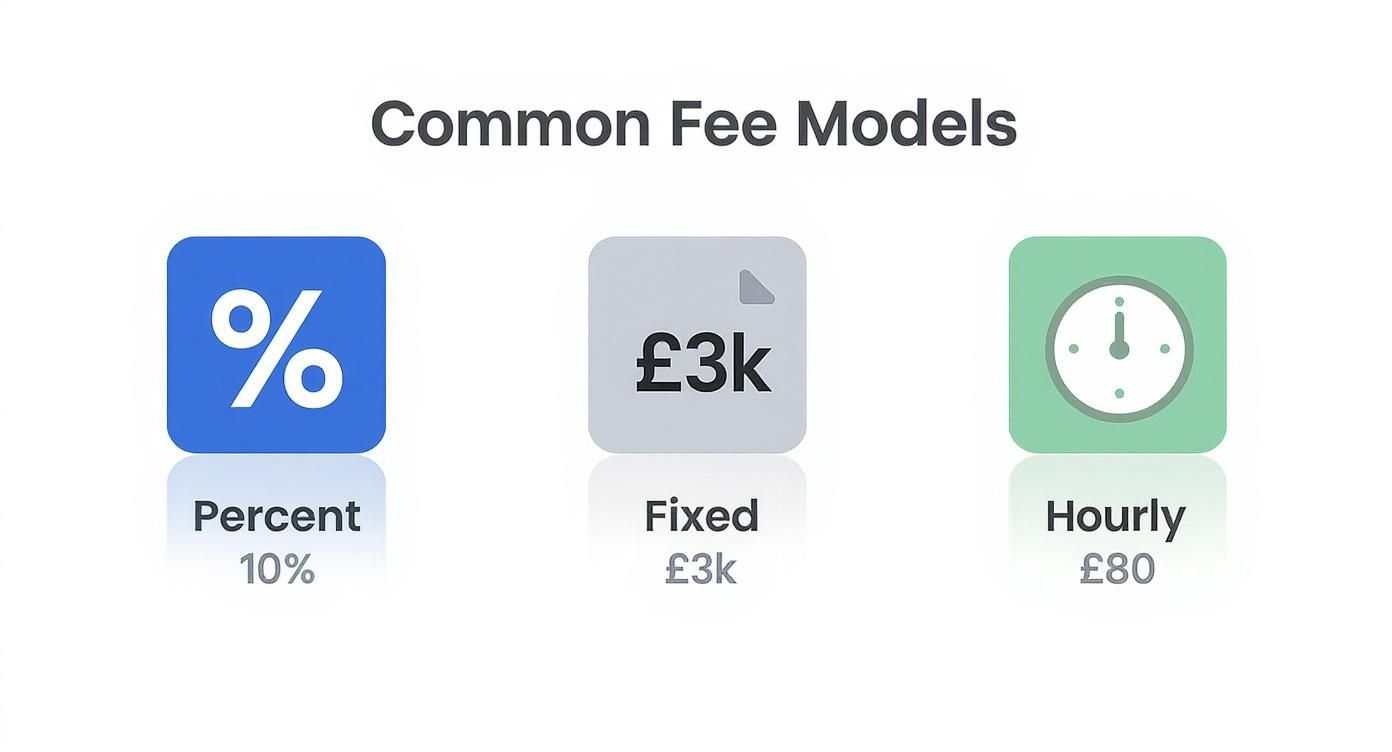
If you’d rather lock in a price, fixed fees often start at £3,000, while hourly rates typically sit between £60 to £120.
This quick snapshot helps you set realistic expectations before diving into the full breakdown.
Quick Overview Of Architect Fee Models
Architects tend to use three main pricing structures. Each one strikes a different balance between cost certainty and flexibility.
Percentage-Based Fees: A sliding scale tied to your total build cost.
Fixed-Fee Quotes: A capped price for clearly defined deliverables.
Hourly Rates: You pay only for the time spent on your project.
Each model has its own strengths depending on the size and scope of what you’re planning.
When To Use Each Model
Knowing when to pick percentage, fixed or hourly billing can streamline your planning.
Large New Builds: Percentage fees work well when you’ve got a big budget.
Feasibility Studies & Planning Drawings: Fixed-fee quotes give you clarity.
Consultations & Small Revisions: Hourly billing keeps things transparent.
Below is a quick comparison to help you decide which fee model suits your project.
Overview Of Architect Fee Models
Fee Model | Typical Rate Range | When It Is Used |
|---|---|---|
Percentage-Based Fees | 5%–15% of budget | Large new builds, extensions, heritage projects |
Fixed-Fee Quotes | £3,000–£10,000 | Feasibility studies, planning drawings |
Hourly Rates | £60–£120 per hour | Consultations, site visits, small revisions |
This comparison makes it easier to match your project size and budget with the right billing approach.

Key InsightPercentage fees remain the go-to for larger schemes, while fixed and hourly models are perfect for smaller tasks.
This quick overview sets you up for the deeper dive ahead. Use it as the starting point for budgeting realistic architect fees.
Understanding Common Fee Models
Architects long leaned on RIBA’s standardised fee scales, tacking on a percentage of the total build cost. On a £100,000 scheme you’d typically see around 10.5%, while a £500,000 project might be closer to 9% and a £1 000 000 job about 8.5%. Read the original RIBA fee findings at Architecture for London.
Percentage billing flexes with project size. For larger builds the fee climbs in line with costs; on bite-sized refurbishments you’ll pay proportionally more. In other words, how much does an architect charge really depends on the scope.
“Percentage fees provide built-in flexibility but can feel unpredictable on modest budgets.”
Advantages of Percentage Fees:
Scale With Budget: Fees rise in step with construction costs.
Shared Risk: Both client and architect weather cost shifts together.
One Structure: From design to completion, you stick to a single fee model.
Disadvantages of Percentage Fees:
Opacity: Harder to break down what you’re paying for each service.
Smaller Projects Suffer: Fixed overheads can push up fees on low-cost jobs.
Fixed And Hourly Fee Models
Fixed-fee quotes put a ceiling on costs for clearly defined tasks. Designing a modest extension could be £3,000–£5,000, while producing technical drawings often sits around £2,000–£4,000.
Meanwhile, hourly rates in South West London usually span £60 to £120 per hour. Think of a fixed fee like buying a train ticket—you know the price up front. Hourly billing, by contrast, is a bit like a taxi metre: you only pay for the time you use, perfect for quick consultations.
Tip: Draw up a detailed brief at the outset to prevent scope creep on fixed-fee projects.
Comparing Fee Models
Model | Typical Rate Range | Key Benefit |
|---|---|---|
Percentage Fees | 8.5%–14% | Easily scales with project value |
Fixed Fees | £2,000–£10,000 | Clear cost certainty |
Hourly Rates | £60–£120 per hour | Great for ad-hoc advice and tweaks |
When you’re choosing a fee model, weigh up complexity, transparency and who absorbs risk. Here’s a simple checklist:
Opt for Percentage Fees if your project might evolve.
Go with Fixed Fees for well-defined phases and tight budgets.
Choose Hourly Rates when you need selective expertise, nothing more.
Picking the right structure anchors expectations and keeps nasty cost surprises at bay.
Understanding these models gives you the clarity to answer how much does an architect charge with confidence. Always consult multiple architects—compare quotes, refine your budget and head into your appointments fully prepared.
Average Percentage Fees In South West London
In South West London, percentage-based architect fees tend to fall as project budgets grow. Smaller jobs—think compact extensions or loft conversions—often carry higher percentages because they involve tighter sites and extra co-ordination.
For instance, an £100,000 extension typically attracts around 14% in fees, while a £1,000,000 new build usually sits closer to 11.5%. By understanding this sliding scale, you can forecast what an architect might charge at various budget levels.
In 2025, UK residential architect fees generally range from 3% to 15% of construction costs. For a national overview, see the Homeowners Association guide.
Typical Percentage Fees For Residential Projects
Below is a concise breakdown of how percentage fees adjust according to project size. Use it as a quick reference when planning your budget.
Project Type | Construction Budget | Percentage Fee |
|---|---|---|
Extension or Loft | £100,000 | 14% |
Medium Refurbishment | £200,000 | 13% |
Large Refurbishment | £500,000 | 12% |
New Build Home | £1,000,000 | 11.5% |
VAT at 20% sits on top of these fees and must be added separately.
Typical Budget Bands
Complexity varies with every brief. More intricate projects demand additional site visits, technical drawings and co-ordination.
If you’re exploring conversion ideas, check out our loft inspiration: Top Loft Conversion Design Ideas
14% fee for a £100,000 extension budget
13% fee for a £200,000 refurbishment budget
12% fee for a £500,000 construction budget
11.5% fee for a £1,000,000 new build budget
These figures illustrate how economies of scale help reduce percentage rates as project values increase.
Quick InsightPercentage fees give architects an incentive to control costs and deliver maximum value.
How To Apply These Rates
Estimating your design fees is straightforward. Just follow these steps:
Multiply your total construction budget by the agreed percentage fee
Add 20% VAT to that figure
Factor in a 5%–10% contingency for any scope changes
For example, a £300,000 build at 12% would require £36,000 plus VAT, then a small buffer. This clear formula means no surprises once design work gets under way—letting you compare quotes with confidence and align fees neatly to your vision.
Fixed Fees And Hourly Rates Explored
Think of fixed fees as ordering a set menu—what you see is what you pay. Hourly rates are more like a pay-as-you-go café, where every extra meeting or sketch adds to the bill. In South West London, hourly rates usually sit between £60 and £120 per hour, depending on the architect’s expertise and reputation. You’re charged only for the actual time spent on your project, covering site visits, meetings and travel.
Fixed quotes, by contrast, give you a defined price for specific tasks. This approach suits clients who want to lock in costs for clear-cut deliverables without watching the clock.
Planning drawings for small extensions: £1,250–£2,500
Construction drawings: £2,000–£5,000
Site visits or consultations: £55 per hour plus mileage
These figures show how an architect’s fee breaks down by phase, helping you budget with confidence.
Comparing Fixed Fees And Hourly Rates
Real-world examples often bring clarity. Imagine a modest extension quoted at a £4,000 fixed fee. The same work on an hourly basis at £80 per hour might total £3,600 over 45 hours.
Billing Model | Fee Structure | When It Works Best |
|---|---|---|
Fixed Fee | £4,000 total | Clear scope, minimal changes expected |
Hourly Rate | £80/hour (~£3,600) | Evolving briefs, frequent site checks or revisions |
Hourly billing adapts if your plans shift: more visits, more sketches, more hours—and you only pay for what you use.
Key InsightAligning your billing choice with project complexity ensures you’re not left footing an unexpected bill.
When To Choose Each Billing Model
Consider these pointers before deciding:
Use fixed fees when the scope is straightforward and unlikely to evolve.
Opt for hourly rates if you need flexibility or specialist advice on the fly.
For multi-stage projects, mix both: fixed fees for the drawings, hourly rates for on-site supervision.
For example, a small loft conversion often benefits from a fixed fee to prevent scope creep. In contrast, heritage refurbishments—where surprises lurk behind every brick—are better suited to hourly billing.
Always factor in a 5%–10% contingency for design tweaks. That cushion saves you stress when the unexpected crops up.
To see how fixed fees cap costs on extension designs, simply check out our guide on decoding extension architect costs.
Factors Influencing Architect Fees
When you ask “how much does an architect charge?” the answer often lies in the details. Two clients might receive quotes tens of thousands of pounds apart—and that’s not arbitrary.
Unpicking the elements behind fees gives you the confidence to compare proposals and anticipate extra costs. It’s about aligning ambition with budget from day one.
Key factors include:
Project Complexity: bespoke layouts and intricate features demand extra design time.
Site Constraints: narrow access or sloping plots can lead to more site visits.
Conservation Requirements: historic buildings need specialist permissions.
Practice Experience: established firms with strong portfolios command higher rates.
Additional Services: planning advice, project management and post-construction support add to the bill.
By analysing each factor you’ll set realistic expectations. For example, a straightforward new build on a flat site tends to attract more competitive fees than a sensitive heritage renovation.
Impact Of Project Complexity
Complexity in architecture is a bit like solving a Rubik’s Cube. Every twist represents a design choice—from beam sizes to material selections.
Key InsightProjects can see design hours rise by 20% to 50% as complexity grows.
Take a curved oak staircase, for instance. Engineering those balusters and refining the joinery often tacks on £2,000–£5,000 in technical drawing fees alone.
When reviewing quotes, ask how many design iterations are included. If you exceed that allowance, extra hourly or fixed-fee charges may apply.
Value Of Additional Services
Adding services to your base design package is like upgrading from a meal deal to a tasting menu. You’ll still get your essentials—but with more bells and whistles.
A standard scope might cover concept sketches and planning submissions. Layer on project management and you can expect fees to climb by 10%–15%.
Service Type | Typical Addition | Benefit |
|---|---|---|
Planning Consultancy | £1,200–£3,000 | Smoother planning approval |
Project Management | 10%–15% | Better on-site co-ordination |
Post-Construction Support | £1,000–£2,500 | Thorough defect checks and handover |
These examples show how each extra layer shapes your overall costs. With transparent figures, you can decide which services suit your budget and goals.
Managing Site Constraints
A tricky site can turn a routine visit into a logistical jigsaw. Think narrow access lanes, protected trees or steep drops—each adds to site hours.
Site Constraint ImpactAdditional visits can hike base fees by around 15%.
Common hurdles include:
Tight vehicle access requiring smaller deliveries
Complex party wall agreements
Detailed utility surveys to avoid surprises
Spotting these constraints early means you can negotiate fair site allowances before work begins.
Practice Experience And Expertise
Not all architects charge the same—reputation plays a huge part. Firms with decades of experience or niche specialisms often add a 20% premium to their rates.
Browse portfolios, ask for case studies and speak to previous clients. That way you’ll see exactly what you’re paying for.
With these cost drivers in hand, the question “how much does an architect charge?” becomes far less daunting. You’ll be ready to compare proposals, refine the scope and ensure fees match your vision.
Budgeting Tips For Architectural Services
When you’re about to embark on a building project, getting your architect fees pinned down is like charting a course before setting sail. It takes the guesswork out of the journey and saves you from stormy surprises later.
Begin by gathering proposals from at least three architects. Side-by-side quotes let you spot hidden costs and compare value.
Starting With Clear Brief
If your brief reads like an open-ended question, you’ll end up with open-ended fees. A precise brief is your secret weapon.
Spell out your project goals, space needs and design quirks. For instance, if you outline a custom kitchen layout at the outset, you’ll curb any scope-creep down the line.
State the project type and overall size in square metres.
List key materials and finishes to help architects gauge costs.
Highlight any site constraints or tricky access points.
Pro Tip More detail now means fewer surprises later.

Once you have your quotes in hand, line up scope, deliverables and payment schedules.
Compare deposit requirements, usually around 10–20% of total fees.
Remember to add VAT at 20% atop the quoted figures.
Check for contingency sums of about 5–10% for design tweaks.
Reviewing Comparative Proposals
Skimming proposals can feel like reading different maps of the same territory. A simple table puts it all in one view.
Fee Element | Typical Range | Note |
|---|---|---|
Deposit | 10–20% | Higher on smaller schemes |
Contingency | 5–10% | Covers extra design work and visits |
VAT | 20% | Added on top of base fees |
Using this chart, you can spot which architect offers the best balance of risk and reward.
Negotiating Payment Structures
Break your payments into clear milestones. It keeps your cash flow steady and ties each instalment to real progress.
“Linking fees to deliverables ensures clarity and accountability.”
Concept Design: 20–30% once initial sketches get the green light.
Planning Submission: 30–40% on submitting the application.
Technical Documentation: 30–40% when detailed drawings are finalised.
Feel free to tweak these percentages if you’re running a smaller or larger project.
Controlling Scope And Costs
Scope creep is budget creep in disguise. Lock down essentials and trim back the rest.
Revisit your brief with the architect and cut any non-essentials.
Use standardised template drawings for interior layouts.
Agree on a cap for site visits to avoid surprise travel charges.
A recent client stuck to six visits and saved over £1,200 in extra fees. It pays to be decisive.
Additional services, such as project management, typically add around 10–15% to your fees. Always demand a detailed breakdown so nothing lurks in the fine print.
You might be interested in our guide on how to choose an architect in the UK when preparing your brief.
Planning For Contingencies
Think of contingency funds as your project’s safety net. If something shifts, you’re covered.
Allocate 5–10% of total fees for unexpected site visits.
Budget for extra design iterations.
Factor in potential delays from regulatory changes.
A quick note: council policy updates or planning hold-ups can introduce additional consultancy charges. Build time buffers into your schedule to stay on track.
With these strategies, you’ll navigate your project with confidence. Regularly revisit your quotes, clarify any vague terms, and keep communication channels open with your architect. When needs evolve, document every change in writing and keep the budget as adaptable as your design.
FAQ
If you’re trying to budget for architectural services, the numbers can feel daunting. This FAQ pulls back the curtain on fee drivers, project-type variations, VAT considerations and negotiation tactics. Use these pointers to tighten your brief and challenge any proposal that lands on your desk.
What Factors Affect Architect Fees?
Architect fees often mirror the complexity of your project. A straightforward extension will cost less than a listed-building conversion with intricate conservation details.
That bespoke joinery, project management or planning-appeal support you need? Expect more design hours and, inevitably, a higher fee. Firms with a specialist reputation or long track record also tend to charge a premium for their expertise.
How Fees Vary By Project Type
Different projects follow different pricing rhythms.
Extension and conversion schemes usually sit around 12–14% of construction costs, thanks to the quirks of adapting existing structures.
New builds enjoy economies of scale, with fees closer to 8–10%.
Small-scale tasks such as feasibility studies often come with a fixed fee.
Hourly rates work best for spot consultations or ad hoc site visits.
“Higher complexity and specialist services naturally lead to higher fees,” says a RIBA-registered architect.
VAT Planning Tips
VAT at 20% applies across the board to architect fees. Always check if a quote is VAT-inclusive. If not, add VAT on top of the base fee when you draft your budget. A clear line-by-line breakdown from your architect will save nasty surprises later.
Negotiating a Fixed Fee
Yes, you can agree a capped fee—especially for tasks with a tight scope, like planning drawings or feasibility reports. To tip the scales in your favour:
Outline deliverables in writing
Set milestone payments that reflect progress
Factor in a small contingency for extra site visits
Record every scope change, however minor
Review your brief together before work begins. That way, both sides know where the risks lie—and how to share them.
Ready to turn your ideas into reality? Contact Harper Latter Architects to start the conversation.

Great read, it really breaks down the factors that influence an architect’s fees in a way that’s easy to understand and helps you plan your project with confidence. If you’re weighing your options, visit here for a clear look at what to expect.