
8 Detailed House Extension Cost Examples in South West London (2026)

Embarking on a house extension in sought-after areas like Wimbledon, Richmond, or across Surrey is an exciting venture, but understanding the financial commitment is paramount. The critical question isn't just 'how much will my extension cost?' but rather 'what value am I creating, and what will drive the final budget?'. This guide provides transparent, detailed house extension cost examples tailored specifically to the unique property landscape of South West London and its surroundings.
We move beyond vague estimates to offer a strategic breakdown of real-world projects. From a single-storey kitchen extension to a complex luxury basement conversion or a sensitive listed building refurbishment, each example provides a realistic cost range, a cost-per-square-metre analysis, and a clear distinction between standard and high-end finishes.
Drawing on our expertise as high-end residential architects, we will analyse the primary cost drivers for each project, explore opportunities for value optimisation, and offer actionable insights you can apply to your own plans. This article is designed to empower you with the financial clarity needed to navigate your project confidently. You will learn to identify key budget influencers, from structural complexities and ground conditions to glazing specifications and bespoke joinery.
Our goal is to help you ensure your investment not only enhances your home's footprint but also enriches your lifestyle, creating a space that is both beautifully designed and financially well-planned. Let's delve into the specific costs you can realistically expect.
1. Single-Storey Rear Extension (£50,000-£150,000)
The single-storey rear extension is a cornerstone of South West London home improvements, prized for its relatively straightforward planning process and significant impact on living space. This type of project typically involves extending the rear of a property by 4 to 6 metres, transforming a traditional layout into an expansive, light-filled area. It's an ideal solution for creating a modern kitchen-diner, a spacious family room, or a seamless connection to the garden, adding considerable value and functionality.

This extension is often achievable under Permitted Development rights, which simplifies the planning stage, though properties in Conservation Areas or listed buildings will require full planning permission. The cost spectrum, from £50,000 to over £150,000, reflects the wide variation in finish, complexity, and site-specific challenges.
Cost Analysis and Key Drivers
The final cost of a single-storey rear extension is influenced by several critical factors. A basic, standard-finish project might fall within the £50,000-£80,000 range, while a high-end, bespoke extension with luxury fittings can easily exceed £150,000. One of the most detailed house extension cost examples we've encountered was a 5m x 6m (30m²) kitchen-diner in Wimbledon Village, which came in at £135,000.
Primary Cost Drivers:
Glazing: The choice of doors and windows is paramount. High-performance bifold or sliding doors can cost from £8,000 to £20,000+, significantly affecting both the budget and the aesthetic.
Structural Work: The extent of structural alterations to the existing house, such as creating a large open-plan space, will require steel beams (RSJs), adding to engineering and installation costs.
Finishes: The specification level for flooring, kitchen units, worktops, lighting, and bathroom fittings dictates a large portion of the budget. A bespoke kitchen alone can range from £20,000 to £60,000+.
Ground Conditions: Unexpected issues with foundations, drainage, or soil type in areas like Richmond or Chiswick can increase groundwork costs.
Actionable Tips for Budget Management
Managing your budget effectively requires foresight and strategic planning. To keep your project on track, focus on making informed decisions early in the process.
Strategic Budgeting Takeaways:
Contingency is Non-Negotiable: For period properties, allocate a minimum of 15-20% of the total build cost for unforeseen issues. This could include repairing hidden structural problems or meeting specific heritage requirements.
Balance Glazing Costs: While expansive glass is desirable, consider a combination of fixed panels and opening doors. This can reduce costs compared to a full wall of bifolds without compromising on natural light.
Plan MEP Early: Finalise the positions of all electrical sockets, light fittings, and plumbing outlets before the first-fix stage. Late changes are a primary cause of budget creep and delays.
2. Two-Storey Side or Rear Extension (£150,000-£350,000)
A two-storey extension represents a significant investment, delivering a transformative amount of space to a property. Common in South West London, particularly for semi-detached and larger terraced homes, this option can add a new kitchen or living area on the ground floor and a master suite, extra bedrooms, or a home office above. It's an excellent way to accommodate a growing family without the expense and disruption of moving.
Unlike single-storey additions, two-storey extensions almost always require full planning permission. The design must be carefully considered to harmonise with the existing property and respect neighbouring homes. The cost, ranging from £150,000 to £350,000+, reflects the increased complexity, structural work, and comprehensive internal fit-out required.
Cost Analysis and Key Drivers
The final project cost is heavily influenced by the scale, structural complexity, and level of finish. A more straightforward two-storey addition might cost £150,000-£200,000, while a larger, high-specification project on a period property in areas like Richmond can easily exceed £350,000. One of our recent house extension cost examples was a sympathetic two-storey addition to a period property in Cobham, creating a large family kitchen and master suite, which cost £280,000.
Primary Cost Drivers:
Structural Engineering: Extensive steelwork (RSJs) is needed to support the first floor and integrate the new structure with the old. This requires detailed engineering calculations and specialist installation.
Roofing and Cladding: The roof design is critical for aesthetics and weatherproofing. Matching period roof tiles, leadwork, and brickwork to blend seamlessly with the original house adds significant cost.
Internal Fit-Out: Creating multiple new rooms, including bathrooms and potentially relocating staircases, involves extensive plumbing, electrical work, and high-end finishes, all of which drive up the budget.
Professional Fees: Due to the complexity, fees for architects, structural engineers, and Party Wall surveyors (often £2,000-£5,000) are higher than for smaller projects.
Actionable Tips for Budget Management
Effective budget control for a major project like this hinges on meticulous upfront planning and professional coordination. Securing detailed plans and specifications before going to tender is crucial.
Strategic Budgeting Takeaways:
Engage Professionals Early: Involve an architect and structural engineer from day one. Their expertise in optimising the design and specifying the correct structural solution can prevent costly changes later.
Factor in Accommodation Costs: A project of this scale can make living in the property difficult or impossible. You must budget for alternative accommodation for a significant portion of the 12-18 week construction phase.
Harmonise, Don't Pastiche: When working on a period property, aim for a design that complements the original character rather than creating a poor imitation. Using contrasting but high-quality materials can sometimes be more cost-effective and architecturally successful than a perfect match.
3. Luxury Basement Extension with Leisure Amenities (£200,000-£600,000+)
For homeowners in prime South West London locations, where extending outwards or upwards is often limited, a luxury basement extension represents the ultimate investment in lifestyle and property value. This is far more than creating extra storage; it involves deep excavation and complex structural engineering to forge subterranean spaces dedicated to leisure and wellness. These projects can house everything from a private home cinema and wine cellar to a fully equipped gym, spa, or even an indoor swimming pool, adding a significant 'wow factor' and square footage to a property.
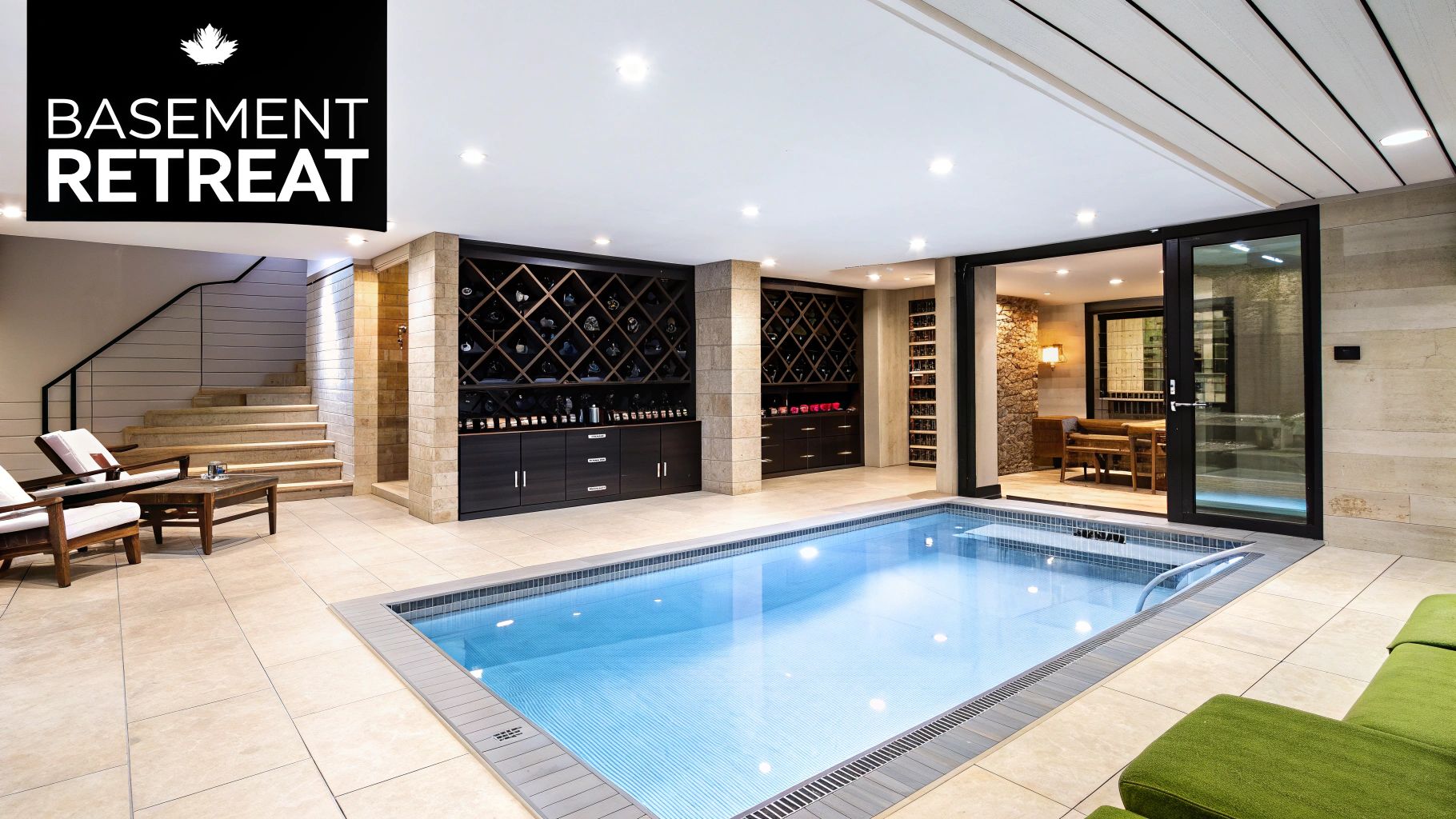
Given their complexity, these extensions demand meticulous planning, specialist contractors, and a significant budget, with costs ranging from £200,000 to well over £600,000. For those seeking to add unparalleled amenities to their home, our architects specialise in creating these sophisticated spaces. You can learn more about our approach to luxury basement extensions. A prime example of these house extension cost examples is a recent project in Wimbledon Village, where a cinema and wine cellar basement surpassed the £350,000 mark.
Cost Analysis and Key Drivers
The final cost is heavily skewed by the sheer scale of the engineering and the bespoke nature of the amenities. A relatively simple basement with a guest bedroom and home cinema in a Chiswick townhouse might land in the £280,000-£350,000 range, whereas a full leisure suite with a swimming pool and spa in Richmond or Cobham can easily exceed £450,000-£500,000.
Primary Cost Drivers:
Excavation & Structure: The depth and scale of the dig, underpinning the existing property, and extensive waterproofing are the largest foundational costs.
MEP & Specialist Systems: Mechanical, electrical, and plumbing infrastructure for features like pools, saunas, and climate-controlled wine cellars can account for 40-50% of the total budget. This includes ventilation, heating, and complex filtration systems.
Amenities & Equipment: The cost of high-end gym equipment, cinema projectors and sound systems, bespoke joinery for a wine room, or the pool installation itself are major line items.
Geotechnical Factors: The local water table and soil conditions can necessitate costly structural dewatering (£10,000-£40,000+) or complex foundation designs.
Actionable Tips for Budget Management
Successfully delivering a luxury basement project on budget requires rigorous early-stage investigation and a clear understanding of the technical challenges involved. Proactive planning is essential to mitigate risks.
Strategic Budgeting Takeaways:
Invest in Surveys: Commission a detailed geotechnical survey (£4,000-£8,000) before finalising designs. This provides critical data on ground conditions that will inform the structural engineer’s plans and prevent costly surprises during excavation.
Engage a Party Wall Surveyor Early: The Party Wall Act process is mandatory and can be time-consuming. Engaging a surveyor early (£3,000-£8,000) ensures legal obligations are met without causing delays to the construction schedule.
Factor in Temporary Works: The potential need to reroute existing utilities (gas, water, drainage) during excavation can be a significant hidden cost. Budget for this possibility, which can range from £15,000 to £30,000.
4. Listed Building Extension with Conservation Compliance (£80,000-£400,000+)
Undertaking an extension on a Grade I, II*, or II listed property is a complex but rewarding endeavour, requiring a deep understanding of heritage conservation. This type of project moves beyond standard construction into the realm of specialist craftsmanship, demanding sympathetic design, historically accurate materials, and rigorous planning approval. It’s an intricate process focused on enhancing a heritage asset without compromising its historical integrity, a specialism central to our work in areas like Wimbledon Village and Richmond.
The cost for such projects varies immensely, from £80,000 for a modest, period-matched addition to over £400,000 for a large-scale, structurally complex extension to a high-status listed building. The final figure is dictated by the building's listed status, the local authority's conservation policies, and the level of intervention required. Professional expertise from a conservation architect is not just advisable; it's essential.
Cost Analysis and Key Drivers
The budget for a listed building project is shaped by factors far beyond size and finish. One of our more intricate house extension cost examples involved a sensitive kitchen extension for a Grade II listed Victorian terrace in Wimbledon Village, totalling £120,000. The cost reflected the need for bespoke joinery to match original features and handmade bricks to comply with conservation requirements.
Primary Cost Drivers:
Professional Fees: Engaging a specialist RIBA-accredited conservation architect is critical. Fees are higher due to the complexity, detailed survey work, and intensive negotiations with conservation officers. A full suite of heritage reports may also be needed.
Heritage Materials: Sourcing and using period-appropriate materials, such as reclaimed London stock bricks, Welsh slate, or lime-based mortars, carries a significant premium over modern equivalents and often involves long lead times.
Specialist Labour: The project will require skilled craftspeople experienced in traditional techniques, from stonemasons to sash window specialists. This specialist labour typically costs 30-40% more than standard contractors.
Planning & Compliance: The extensive documentation, pre-application consultations, and detailed drawings required for Listed Building Consent add substantial upfront costs and time to the project.
Actionable Tips for Budget Management
Managing a heritage project budget requires meticulous planning and a proactive approach to compliance. Early engagement with specialists is the most effective way to control costs and de-risk the project timeline.
Strategic Budgeting Takeaways:
Engage Experts Immediately: Appoint a conservation architect at the very outset. Their expertise in navigating planning and specifying appropriate methods is invaluable and prevents costly missteps.
Factor in a ‘Heritage Premium’: Beyond a standard contingency, allocate an additional 8-15% of the build cost specifically for heritage compliance, such as unexpected structural repairs uncovered in the historic fabric or requirements for archaeological surveys.
Consult the Conservation Officer Early: Arrange a pre-application consultation with the local authority's conservation officer within the first few weeks of design. This clarifies expectations and can prevent the need for expensive redesigns later on.
5. Sustainable & Eco-Friendly Extension (£120,000-£500,000+)
A sustainable extension prioritises environmental performance, energy efficiency, and responsibly sourced materials, moving beyond standard Building Regulations to deliver a healthier, lower-impact living space. This approach integrates high-performance insulation, renewable energy systems like solar panels and heat pumps, and materials with low embodied carbon. For environmentally conscious homeowners in areas like Wimbledon and Richmond, it’s a way to future-proof their property, significantly reduce running costs, and align their home with their values.
These projects often pursue rigorous standards like Passivhaus or AECB (Association for Environment Conscious Building), which dictate specific targets for airtightness and thermal performance. The cost range is broad, reflecting the spectrum from incorporating select eco-features to a full Passivhaus-certified or net-zero carbon build, which requires specialist design and construction expertise.
Cost Analysis and Key Drivers
The investment in a sustainable extension carries a premium of around 12-15% over a standard build, but this often pays back over the long term through drastically reduced energy bills. A project in Chiswick focusing on sustainable materials like a green roof and reclaimed brick might cost £180,000, while a comprehensive net-zero carbon extension in Richmond with solar PV, battery storage, and a ground source heat pump could exceed £320,000.
Primary Cost Drivers:
Building Fabric: The "fabric first" approach demands superior insulation (e.g., wood fibre, hempcrete), high-performance triple-glazed windows, and meticulous airtightness detailing, which increases material and skilled labour costs.
MEP Systems: Mechanical, Electrical, and Plumbing systems are critical. A Mechanical Ventilation with Heat Recovery (MVHR) unit is essential for air quality in an airtight home. The cost of air or ground source heat pumps (£10,000-£25,000+) and solar PV systems (£6,000-£15,000+) are significant investments.
Specialist Expertise: Achieving certifications like Passivhaus requires an architect with specific qualifications, energy modellers, and contractors experienced in eco-construction. These professional fees are higher than for a standard project.
Materials: Sourcing sustainable materials such as FSC-certified timber, low-VOC paints, and recycled products can carry a higher upfront cost than conventional alternatives.
Actionable Tips for Budget Management
Managing the budget for an eco-build involves balancing upfront investment with long-term lifecycle savings. Early and detailed planning is paramount to success. For a deeper understanding of the principles involved, you can explore more about sustainable architecture and its benefits.
Strategic Budgeting Takeaways:
Engage a Consultant Early: Budget £2,000-£5,000 to involve a sustainability consultant or certified Passivhaus designer from the outset. Their input during the design stage is crucial for cost-effective integration of eco-features.
Prioritise Lifecycle Costs: When comparing quotes, look beyond the initial price tag. Analyse the projected 30-year running costs of the extension. A more expensive heat pump may offer far greater savings than a standard boiler over its lifetime.
Factor in Commissioning and Handover: Allocate specific time (2-4 weeks) and budget (£1,000-£2,000) for the professional commissioning of systems like MVHR and heat pumps, as well as for educating yourselves on how to operate the home efficiently.
6. Luxury Integrated Kitchen-Dining-Garden Room (£100,000-£300,000)
This extension represents the pinnacle of modern living, creating a seamless transition between the interior and exterior of a home. It goes beyond a simple kitchen extension, integrating bespoke joinery, high-specification kitchens, and sophisticated glazing systems with professionally designed gardens and terraces. This lifestyle-driven approach is particularly popular in South West London’s premium market, where the goal is to create a cohesive and luxurious space for both daily family life and grand-scale entertaining.
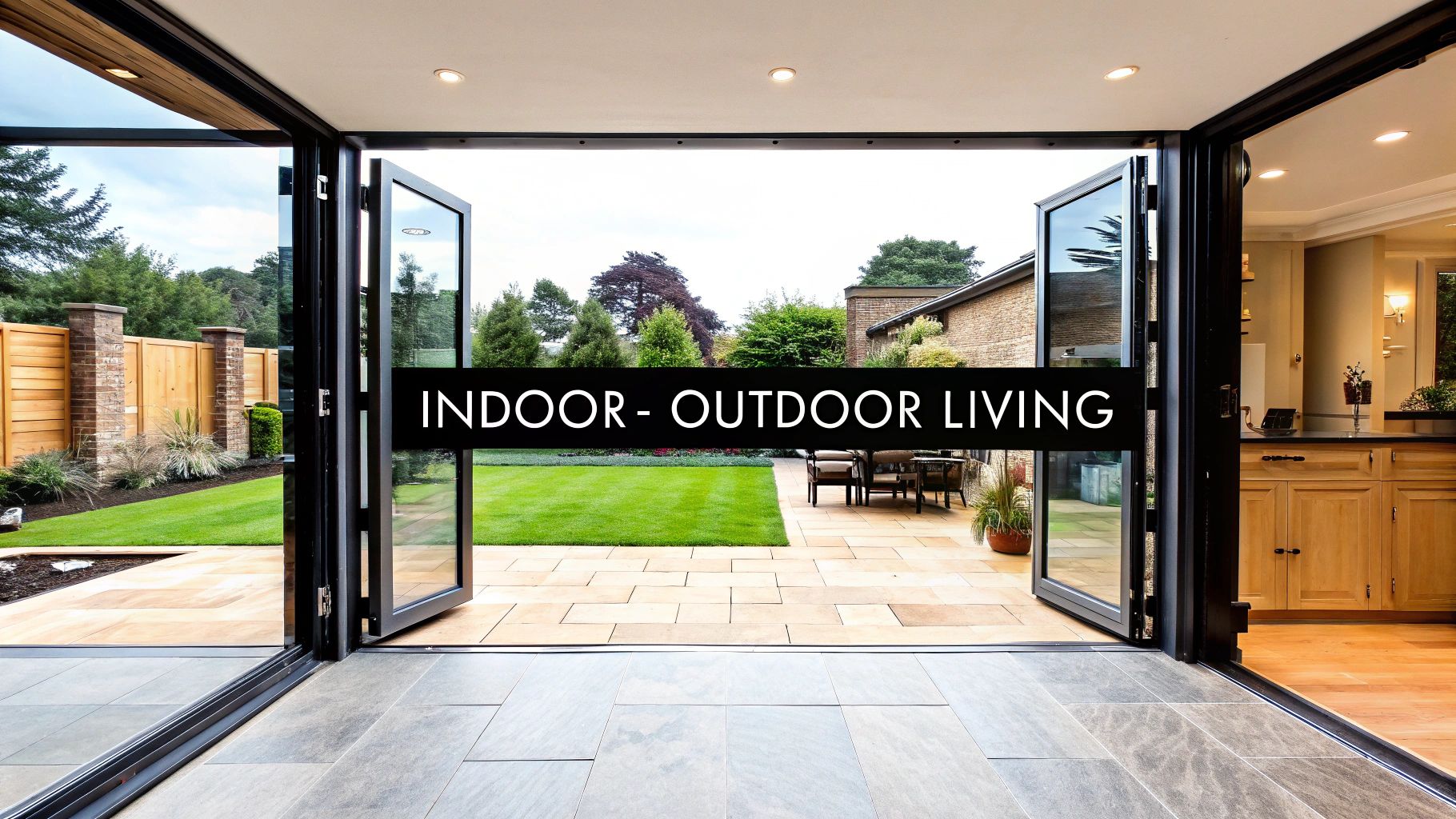
The investment for such projects is significant, ranging from £100,000 to over £300,000. This reflects the high level of customisation, premium materials, and professional design input required. Planning permission is almost always necessary due to the scale and ambition of these builds, which often involve substantial structural changes and boundary considerations.
Cost Analysis and Key Drivers
The final cost is heavily influenced by the level of finish and the integration of specialist elements. A project at the lower end (£100,000-£165,000) might feature a high-quality kitchen and premium bifold doors opening onto a well-designed patio. At the upper end (£220,000-£300,000+), projects often include features like an outdoor kitchen pavilion, extensive custom cabinetry, and state-of-the-art appliances. One of our most impressive house extension cost examples was a Richmond family home that included a chef's kitchen and a separate outdoor kitchen pavilion, totalling £280,000.
Primary Cost Drivers:
Bespoke Joinery & Kitchens: Custom-made cabinetry, media units, and integrated storage are signature features. A high-end, bespoke kitchen alone can cost upwards of £50,000, with specialist joinery adding another £15,000-£30,000+.
Glazing Systems: Premium bifold or sliding door systems with minimal frames are essential for the indoor-outdoor feel. These can cost between £15,000 and £30,000, depending on size and specification.
Landscape Integration: Professional landscape design and construction, including terraces, outdoor kitchens, planting, and lighting schemes, can represent 15-20% of the total budget.
High-End Finishes: The cost is driven by luxury materials such as large-format porcelain tiles, natural stone worktops, designer lighting, and specialist wall finishes.
Actionable Tips for Budget Management
Managing a high-specification project requires meticulous planning and early collaboration between all parties, including architects, interior designers, and landscape architects.
Strategic Budgeting Takeaways:
Engage a Landscape Architect Early: Integrate your landscape architect into the design process from day one. This ensures drainage, lighting, and structural elements for the garden are planned alongside the main build, preventing costly retroactive work.
Factor in Long Lead Times: Bespoke joinery and high-end kitchen appliances often have lead times of 8-12 weeks or more. Order these items as soon as designs are finalised to avoid holding up the entire construction schedule.
Consider Ceiling Height: For a truly grand, entertaining feel, aim for ceiling heights of 3 metres or more. While this adds to structural and material costs, it dramatically enhances the sense of space and light, delivering significant aesthetic value.
7. House Renovation Refurbishment with Extension (£250,000-£800,000+)
This represents the most comprehensive type of home transformation, combining a full internal refurbishment with significant extension works. This holistic approach is common for period properties in South West London and Surrey that require complete modernisation to meet contemporary living standards. The scope typically includes rewiring, replumbing, a new heating system, new kitchens and bathrooms, flooring, and full redecoration, all integrated with the new extension space.
Such projects essentially create a new home within an existing shell, addressing years of deferred maintenance while reconfiguring the layout for modern family life. The cost spectrum, from £250,000 to over £800,000, reflects the vast differences in property size, the complexity of structural work, and the level of finish, from high-quality standard to pure luxury.
Cost Analysis and Key Drivers
The final investment in a full refurbishment and extension is driven by the sheer scale of the project and the specification level. A more straightforward transformation of an Edwardian semi in Chiswick might cost £380,000, while a full gut refurbishment and basement extension for a Georgian terrace in Richmond could reach £450,000 or more. One of the most involved house extension cost examples we have seen was a Victorian mansion in Wimbledon Village, where a comprehensive renovation and large extension exceeded £600,000.
Primary Cost Drivers:
Building Services (MEP): A complete overhaul of mechanical, electrical, and plumbing systems is a major expense, often accounting for 35-40% of the total budget. This includes a new boiler, radiators or underfloor heating, a full rewire, and new water and waste pipes.
Structural Alterations: Beyond the extension itself, internal structural changes to create open-plan layouts, remove chimney breasts, or support upper floors add significant engineering, steelwork, and labour costs.
Level of Finish: The cumulative cost of high-end kitchens, bespoke joinery, luxury bathroom suites, designer lighting, and premium flooring across the entire property is a primary determinant of the final budget.
Professional Fees: Due to the complexity, fees for architects, structural engineers, and a dedicated project manager are essential and can amount to 10-18% of the construction cost.
Actionable Tips for Budget Management
Managing a project of this scale requires meticulous planning and a robust financial strategy from the outset. Controlling costs means making detailed decisions long before work begins on site.
Strategic Budgeting Takeaways:
Elevate Your Contingency: For full house renovations, a standard 10-15% contingency is insufficient. Allocate a minimum of 18-22% to cover the inevitable surprises found in older properties, such as hidden structural defects or asbestos.
Invest in Upfront Surveys: Commission a detailed structural survey (£3,000-£6,000) and other specialist surveys (e.g., asbestos, damp) before finalising your budget. This investment provides clarity and reduces the risk of costly unforeseen issues during construction.
Plan for Accommodation: If you need to move out, factor in the cost of temporary accommodation. In areas like Richmond or Wimbledon, this can add £2,000-£4,000 per month to your overall project expenditure.
8. New Build Bespoke Luxury Residence (£800,000-£3,000,000+)
A new build bespoke luxury residence represents the pinnacle of residential architecture, involving the creation of a custom home from the ground up. This process offers unparalleled freedom to realise a unique vision, perfectly tailored to a client's lifestyle and aspirations. Typically undertaken on premium plots in areas like Wimbledon, Richmond, or Cobham, these projects are complex, multi-faceted endeavours that integrate architecture, interior design, landscaping, and cutting-edge technology.
Unlike extensions, a new build starts with a blank canvas, allowing for a holistic design approach where every detail is meticulously planned. The significant investment, from £800,000 to well over £3,000,000, reflects the scale, complexity, and exceptional quality of materials and craftsmanship involved, culminating in a property that is a true one-off.
Cost Analysis and Key Drivers
The budget for a bespoke luxury home is governed by the ambition of the project and the specificity of the client's requirements. A contemporary family residence in Chiswick with a home cinema might be achievable for around £950,000, while a Richmond mansion with a full wellness spa and smart home integration could easily exceed £1,800,000. These figures are illustrative of the vast scope within luxury house extension cost examples at the highest end.
Primary Cost Drivers:
Site and Groundworks: Site acquisition, demolition of existing structures, and extensive groundwork, including new utility connections and drainage, can cost £50,000-£150,000+ before construction even begins.
Structural Complexity: Ambitious architectural features like large cantilevers, double-height atriums, or subterranean levels require sophisticated engineering and specialist construction techniques, significantly impacting costs.
Bespoke Finishes and Systems: The specification is paramount. This includes bespoke joinery, imported stone, specialist glazing, and integrated systems like home automation, renewable energy (Passivhaus standards), and wellness facilities (pools, saunas), which are major budget components.
Professional Fees: A multidisciplinary team of architects, engineers, designers, and project managers is essential. These fees typically account for 10-15% of the total construction cost.
Actionable Tips for Budget Management
Managing the finances for a new build requires rigorous long-term planning and a deep understanding of the entire project lifecycle, from initial concept to final handover.
Strategic Budgeting Takeaways:
Invest in Early Diligence: Commission a geotechnical survey (£5,000-£10,000) at the outset. Understanding ground conditions early prevents costly surprises and informs the foundation design.
Factor in All Professional Costs: Your budget must include the full consultant team: architect, structural engineer, MEP engineer, landscape architect, and interior designer. Underestimating these fees can strain finances later.
Plan for Specialist Commissioning: High-tech systems (smart home, HVAC, renewable energy) require specialist commissioning that can take 3-6 weeks post-completion. Budget for this phase, as it is critical for ensuring systems perform as designed.
8-Option House Extension Cost Comparison
Project (typical cost) | Implementation Complexity 🔄 | Resource Requirements ⚡ | Expected Outcomes 📊⭐ | Ideal Use Cases & Tips 💡 |
|---|---|---|---|---|
Single-Storey Rear Extension (£50,000–£150,000) | Low — modest structural work; often permitted development; 8–12 weeks | Moderate labour & materials; standard MEP; minimal specialist input | Adds ~20–40 sqm; quick living-space uplift; modest ROI | Families needing extra living/kitchen space; budget ~£2,500–£4,000/m²; allow ~15% contingency |
Two-Storey Side/Rear Extension (£150,000–£350,000) | Medium–High — steel/RSJ, complex roofs, party wall issues; 16–24 weeks | High – structural steel, expanded MEP, increased professional fees | Doubles floor area (~40–80 sqm); strong ROI (≈75–85%); large value uplift | Growing families needing bedrooms/ensuites; engage structural engineer early; budget £4,500–£6,500/m² |
Luxury Basement Extension with Leisure Amenities (£200,000–£600,000+) | Very High — deep excavation, underpinning, waterproofing; 24–36+ weeks | Very high specialist resources: geotech, tanking, MEP for pools/spas, specialist contractors | Creates high-value amenity space (cinema, pool, gym); highest ROI in premium market (≈85–95%) | Luxury properties seeking amenities; commission geotech survey; budget 15–20% contingency and specialist fees |
Listed Building Extension with Conservation Compliance (£80,000–£400,000+) | High — conservation consents, heritage detailing; longer approvals (12–16 weeks) | High – conservation architect, specialist craftsmen, period materials; premium costs | Preserves heritage character; variable ROI; strong appeal to niche buyers | Listed/conservation-area properties; engage conservation architect early; allow 8–15% heritage premium |
Sustainable & Eco-Friendly Extension (£120,000–£500,000+) | High — detailed energy modelling, MVHR and renewable integration; 16–20 weeks design | High upfront: heat pumps, PV, MVHR, specialist installers; possible grants offset costs | Large operating cost reductions (≈40–60%); valuation uplift (≈8–12%); long-term resilience | Eco-conscious owners; engage sustainability consultant early; budget 12–15% premium for systems |
Luxury Integrated Kitchen–Dining–Garden Room (£100,000–£300,000) | Medium — bespoke joinery, large glazing, landscape coordination; 8–12 weeks for joinery | High — premium appliances, bifold glazing, bespoke finishes and skilled trades | High lifestyle and market appeal; value uplift ~6–8%; excellent entertaining space | Entertaining-focused families; budget £5,000–£8,000/m²; coordinate landscape and joinery early |
House Renovation + Extension (£250,000–£800,000+) | Very High — full systems replacement, structural remediation; 32–48 weeks | Very high: multiple trades, full services renewal, high contingency (18–22%) | Comprehensive modernisation; ROI ≈70–85%; reduces future maintenance | Period homes needing full overhaul; commission structural survey; plan phased works and strong project management |
New Build Bespoke Luxury Residence (£800,000–£3,000,000+) | Extremely High — full-site design & delivery, complex approvals; 48–72+ weeks | Extensive: land/site prep, multidisciplinary team, high professional & infrastructure costs | Fully custom high-value asset; premium market positioning; highest design quality | Blank sites or demolition-rebuild; budget 10–15% professional fees, 18–25% contingency; assemble multidisciplinary team |
Partnering with Experts: Your Next Steps to a Bespoke Home
As the diverse range of house extension cost examples in this guide demonstrates, the journey to expanding your home is as unique as your property itself. From a functional single-storey rear extension in Wimbledon to a complex basement conversion in Richmond, the financial investment is directly tied to a matrix of interconnected factors: size, structural complexity, material choices, and the level of bespoke finish. The initial cost-per-square-metre figures, while useful for preliminary budgeting, only tell part of the story.
The true narrative of a successful extension project is written in the details. It lies in the strategic decisions made at the outset, the quality of the design, and the precision of the execution. We have seen how a seemingly straightforward side extension can reveal hidden structural challenges, or how a luxury finish can elevate a standard kitchen-diner into an architectural centrepiece. Understanding these nuances is the first step toward transforming a budget on paper into a beautifully realised living space.
Key Insights Synthesised: Beyond the Numbers
The case studies presented offer several critical takeaways for homeowners in South West London and Surrey. Mastering these concepts is not just about managing costs; it is about maximising value and ensuring your extension genuinely enhances your lifestyle and your property’s long-term worth.
Front-Loaded Planning Pays Dividends: The most cost-effective projects are those with meticulous upfront planning. Investing time and resources in detailed architectural drawings, structural engineering reports, and a comprehensive schedule of works minimises expensive on-site changes and unforeseen delays.
The Contingency Fund is Non-Negotiable: Every project, especially those involving older London properties, has the potential for surprises. A contingency fund of 10-15% is not a 'nice to have'; it is an essential component of a realistic budget that provides a crucial buffer against unexpected issues, from drainage problems to party wall complications.
Finish Specification is the Primary Cost Lever: The gulf between a standard and a high-end finish can be vast. The choice of flooring, bespoke joinery, glazing systems (like Crittall-style doors versus standard bi-folds), and smart home technology are the primary variables you can adjust to align the project with your budget.
Expertise is an Investment, Not an Expense: Navigating the labyrinth of planning permissions, listed building consents, and building regulations requires specialised knowledge. Engaging a skilled architect and a reputable contractor early on mitigates risks, optimises the design for your budget, and ultimately ensures a higher quality, compliant outcome.
Your Actionable Path Forward
Translating inspiration into reality requires a structured approach. The journey from envisioning your new space to enjoying it involves several clear, actionable steps.
Define Your ‘Why’ and ‘What’: Before approaching any professional, clarify your core objectives. Why do you need this extension? Is it for a growing family, a dedicated workspace, or enhanced entertaining space? What are your absolute must-haves versus your desirable extras?
Conduct Financial Due Diligence: Establish a clear and realistic all-in budget. This should include not just the build costs but also professional fees (architect, engineer, surveyor), planning application fees, VAT, and your contingency fund.
Assemble Your Professional Team: Begin researching and interviewing local architects with a proven portfolio of similar projects in your area. Their experience with local planning authorities and heritage considerations can be invaluable.
Commission a Concept Design: Work with your chosen architect to develop initial designs. This stage is crucial for exploring possibilities and obtaining preliminary cost estimates from a quantity surveyor or trusted builder, allowing you to refine the scope before committing to a full planning application.
By embracing this strategic mindset, you move from simply reacting to house extension cost examples to proactively shaping a project that delivers on its promise. An extension is more than an addition of square footage; it is a fundamental reimagining of your home’s character and functionality, an investment that should bring you joy and comfort for many years to come.
Ready to turn your vision into a meticulously planned architectural reality? At Harper Latter Architects, we specialise in navigating the complexities of bespoke extensions and refurbishments across South West London and Surrey, ensuring every project is a perfect blend of inspired design and financial clarity. Explore our process and start your journey with Harper Latter Architects today.
Comments